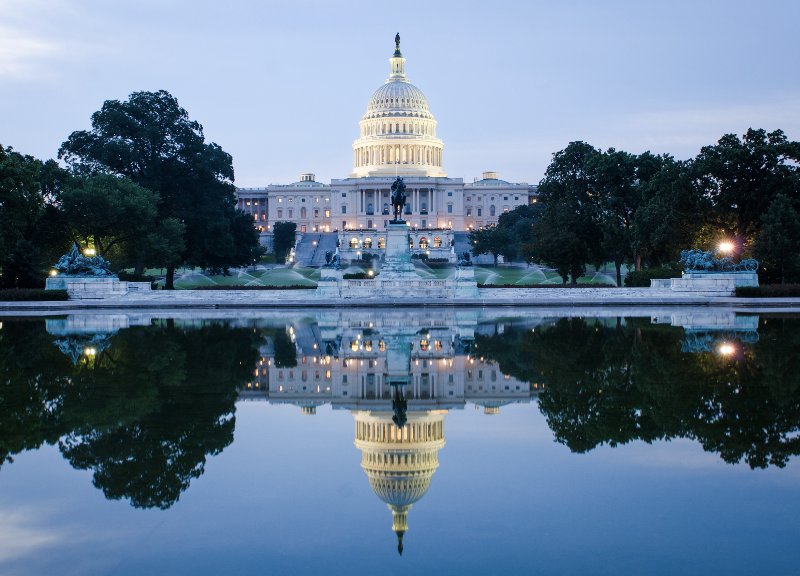

After 43 days, the federal government is funded again. The spending package, signed into law by President Trump last night following approval from both the House and Senate, provides government funding through Jan. 30. The legislation includes three appropriations bills, reverses over 4,000 federal layoffs, and prevents additional layoffs until the end of January. It allocates funding for the Supplemental Nutrition Assistance Program (SNAP) through September 2026.
Treasury hints at moves to lower coffee and banana prices. Treasury Secretary Scott Bessent said the administration will announce steps “in the next couple days” to reduce costs of items the US does not grow, citing coffee and bananas. He did not provide details, though President Trump said he would consider lowering some tariffs impacting coffee. The administration has imposed steep duties on major coffee sources such as Brazil and Colombia.
IRS employees describe leave-related furlough threats amid shutdown. Some IRS employees said that taking more than eight hours of leave in a pay period risked being furloughed during the shutdown, reports Tax Notes. Union leaders reported mixed messages—written guidance initially allowed normal leave, while some managers verbally warned of furloughs for additional time off. IRS exempted 39,982 members of its workforce of 74,299 during the lapse using funds available from the Inflation Reduction Act, but reductions in force and deferred resignations have strained operations.
Why CNSTAT matters for credible federal statistics. TPC’s nonresident fellow Barry Johnson explains the Committee on National Statistics’ five-decade role in strengthening the decentralized federal statistical system through independent evaluations, standards, and cross-agency problem-solving. With the National Academies facing funding cuts, up to one-fifth of top advisory boards could be eliminated, raising concerns about CNSTAT’s future. Johnson highlights how CNSTAT’s work has improved data quality and adoption of modern methods, from measuring the gig economy to modernizing the Consumer Price Index.
Save the date: Improving access to state tax credits. On Dec. 2, the Urban Institute, partnering with the Maryland Comptroller, will convene policymakers and experts to discuss strategies to increase uptake of state income-boosting tax benefits. The session caps an initiative to connect underserved residents with major state tax credits and will review what changed in 2025 and what outreach and filing supports work best. Speakers will explore policy and administrative approaches, gaps between policy and practice, and opportunities for further research and implementation. Learn more and register here.
The Daily Deduction will resume its regular schedule on Monday, November 17.
For the latest tax news, subscribe to the Tax Policy Center’s Daily Deduction. Sign up to have it delivered to your inbox weekdays at 8:00 am (Mondays only when Congress is in recess). We welcome tips on new research or other news. Email Renu Zaretsky.