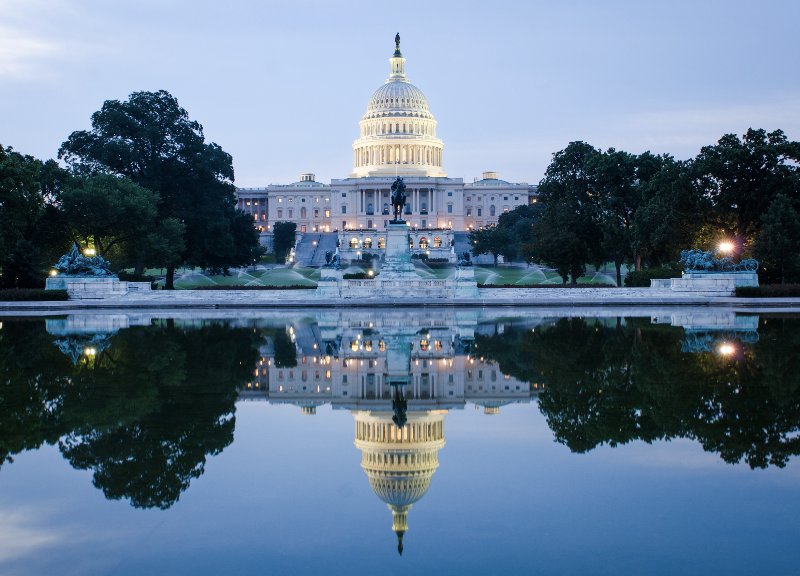

Most of the federal government will remain open tomorrow. But Senate Democrats blocked a Department of Homeland Security funding bill on a 52–47 procedural vote, short of the 60 votes needed to advance it. This all but ensures parts of the Department of Homeland Security will shut down early Saturday. Both chambers have adjourned for a scheduled recess but remain on call if a deal is reached. All other areas of the federal government, including the Internal Revenue Service, are open and funded for the rest of the fiscal year.
States reassess whether to conform to federal tax changes. As The New York Times reports, states across the country are reevaluating whether to align their tax codes with recent federal changes enacted under last year’s reconciliation law. Because most states use federal definitions of income as a starting point, new deductions for overtime pay, tips, and certain business investments could reduce state tax bases unless lawmakers act. Some states, including Colorado and Delaware, have already moved to exclude specific federal provisions to avoid revenue losses, while others are weighing broader reforms. The debate highlights a longstanding tension: conformity simplifies compliance and administration, but states retain discretion to adjust their tax codes to reflect local fiscal priorities.
Congress blocks District of Columbia from decoupling from federal tax cuts. Congress voted 49–47 to overturn a DC law that would have decoupled the District’s tax code from federal tax cuts enacted in 2025, a rare use of its authority under the Home Rule Act. The move is expected to reduce District revenue by roughly $600 million through 2029 and halts plans for a locally funded child tax credit and expanded earned income tax credit that researchers estimated would benefit about 78,000 children. City officials warned the mid-filing-season change could force taxpayers to refile returns and potentially suspend tax processing for months while forms and software are updated.
Wisconsin leaders negotiate property tax relief amid veto dispute. In Wisconsin, talks continue between Gov. Tony Evers (D) and Republican legislative leaders over property tax relief and school funding. At issue is Evers’ prior partial veto that extended school revenue limit increases for what critics call “400 years.” Evers has reportedly offered to support about $550 million in school levy tax credits and nearly $97 million to exempt cash tips from income taxes in exchange for additional school funding, tapping a projected $2.5 billion surplus. Senate Majority Leader Devin LeMahieu (R), however, has said the Senate will not approve a property tax package without addressing the veto.
Subscribe to the Tax Policy Center’s Daily Deduction for weekday morning tax news and research. For more from TPC: Visit the Briefing Book (tax issue explainers), Fiscal Facts (quick primers), and TaxVox (researcher commentary). Track tariff developments and analysis with TPC’s Tariff Tracker. Email Renu Zaretsky with tips on research or tax news.