
Crypto tax proposals get Ways and Means hearing. The House Ways and Means Committee will hold a hearing today on how to tax digital assets, as lawmakers consider several draft bills aimed at clarifying the rules, reports Tax Notes (paywall). Reps. Max Miller (R-OH) and Steven Horsford (D-NV) have led bipartisan work on the issue, including a broader proposal that would address wash sale rules, staking and mining rewards, crypto lending, charitable contributions, and stablecoin transactions. Separate discussion drafts would exempt network fees under $10 and create an exemption for taxpayers with fewer than 5,000 digital asset transactions in a year.
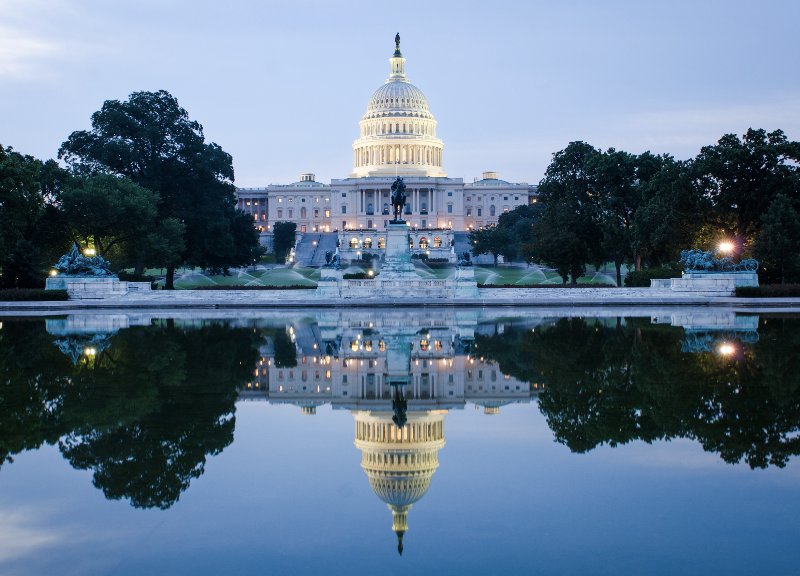
Also on Capitol Hill. The House Ways and Means Social Security and Work & Welfare subcommittees will hold a joint hearing Wednesday with Social Security Commissioner Frank J. Bisignano.
Judge restores clean energy tax credit pathway. A federal judge struck down Trump administration guidance narrowing access to wind and solar tax credits, finding that the IRS acted arbitrarily when it eliminated one long-standing pathway for projects to show they had begun construction. Since 2013, the IRS has allowed projects to qualify either by starting significant physical work or by incurring at least 5 percent of total project costs. The challenged guidance removed the 5 percent safe harbor after last year’s One Big Beautiful Bill Act accelerated the phaseout of wind and solar credits. The ruling is a win for renewable energy developers, but uncertainty remains because projects still face a July 5 construction deadline and the administration could appeal.
Private jet tax enforcement faces federal limits. A provision in a pending air-safety bill would bar tax officials from using aircraft tracking data to identify private planes for tax collection. State and local officials say the data help enforce property, sales, and use taxes on private aircraft that can otherwise be hard to track. Los Angeles County Assessor Jeff Prang says aircraft-tracking data helped his office find another 1,000 planes this year with a total assessed value of $3.5 billion, equal to about $35 million in local property taxes. Supporters of the proposed restriction, including Sen. Ted Budd (R-NC), argue the tracking technology was required for safety, not revenue collection. Rep. Laura Friedman (D-CA) and Rep. Shomari Figures (D-AL) say the data should remain available to help collect taxes that are already owed.
Prediction markets could erode state gambling tax revenues. TPC’s Lucy Dadayan warns that prediction markets could weaken state gambling tax bases if betting activity shifts away from state-taxed sportsbooks. Prediction market trading volume rose from roughly $9 billion in 2024 to more than $40 billion in 2025, while sports betting is now legal in 39 states and the District of Columbia.
Michigan marijuana tax underperforms. Michigan’s new 24 percent wholesale tax on marijuana generated about $34 million in its first four months, roughly $70 million less than expected. The tax took effect Jan. 1 and had been projected to raise $420 million a year for road and infrastructure improvements. Cannabis industry advocates say the tax has slowed growth and pushed some businesses to close, while local officials warn that weaker collections could reduce revenue sharing to cities.
Subscribe to the Tax Policy Center’s Daily Deduction for weekday morning tax news and research. For more from TPC: Visit the Briefing Book (tax issue explainers), Fiscal Facts (quick primers), and TaxVox (researcher commentary). Track tariff developments and analysis with TPC’s Tariff Tracker. Email Renu Zaretsky with tips on research or tax news.